Black Mold?
Don't Take Chances! Call the Top Black
Removal Company in Mesquite and get cleaned up FAST!



Why Choose Us?
- Certified Pros
- Available 24/7/365
- Rapid Response
- Fully Licensed And Insured
- We Work With Your Insurance Company
Call Now (702) 723-9840
Professional Mold Removal in Mesquite, NV
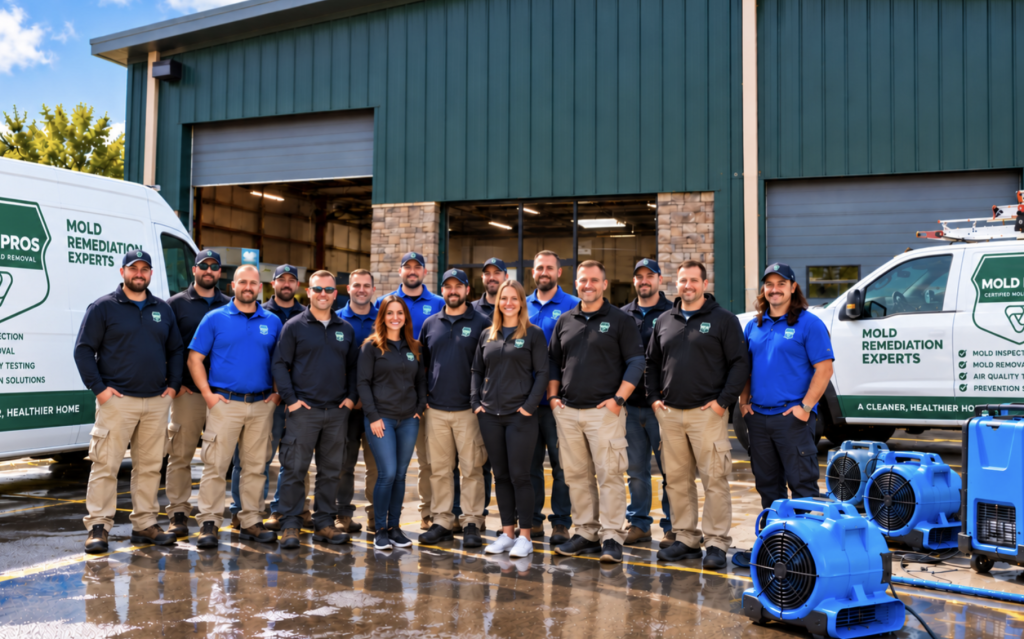
Mold growth often starts with moisture that was missed, hidden, or left unresolved. Roof leaks, plumbing leaks, appliance leaks, and damp building materials can all create conditions for growth in a home or business. Mesquite Mold Remediation Pros helps property owners identify the affected area, control the work zone, and remove damaged materials safely. We use containment, HEPA filtration, careful cleaning, and source control to keep the work focused on the problem.
What Mesquite Properties Need Before Cleanup Begins
The moisture source should be controlled before mold cleanup is completed. A roof leak, plumbing leak, appliance leak, or HVAC condensation problem can keep feeding moisture into the same materials. Bathroom and kitchen ventilation also matter because trapped moisture can collect on walls, ceilings, cabinets, and nearby surfaces. We look at the affected area and the materials around it so the cleanup plan addresses more than visible spotting.
Indoor humidity and condensation can create problems even when there is no obvious leak. Warm, moist air can collect on cold windows, ducts, exterior walls, or uninsulated pipes. Poor bathroom ventilation can leave shower moisture on painted surfaces and ceiling materials. A disconnected dryer vent or a vent that ends indoors can also release moist air into the building.
Roof leaks deserve attention after water reaches an attic, ceiling, or wall cavity. Damaged shingles, failed flashing, and worn seals can allow moisture into materials that are difficult to see. Appliance leaks can affect flooring, cabinets, subfloors, and nearby drywall. We focus on where moisture traveled, not only where mold is easiest to see.
What’s Included in Mold Remediation
Our mold remediation work is organized around protecting unaffected areas and removing or cleaning materials that are affected. We use plastic containment barriers to separate the work area from occupied parts of the property. HEPA air scrubbers filter mold dust from the air while work is underway. Personal protective equipment helps limit exposure during removal and cleaning.
- Containment for the work area and nearby surfaces.
- HEPA filtration and controlled removal of affected materials.
- Cleaning of suitable hard surfaces after source control.
Porous materials absorb water and often hold growth below the visible surface. Drywall, insulation, carpet, and some padding usually require careful removal when they are heavily affected or cannot be dried and cleaned properly. Subflooring and framing receive a different evaluation because they may be salvageable after the moisture source is corrected. Concrete is porous; glazed tile has a less absorbent surface. Grout, joints, dust, and nearby materials still require careful cleaning.
Attics and crawl spaces need special care because limited access can hide damp sheathing, joists, subfloors, or insulation. We work to prevent dust from spreading into other parts of the building. The work area may include barriers, filtration equipment, protective coverings, and controlled entry. Your final setup depends on the affected materials and the size of the work zone.
What’s Not Included in Mold Remediation
Mold cleanup does not replace the trade work needed to correct the original building problem. Separate repair professionals handle plumbing, roofing, HVAC, and reconstruction. That boundary helps keep the moisture source and the finished repair addressed by the appropriate trade. We focus on containment, removal, cleaning, and the affected materials within the remediation scope.
- Plumbing repairs or replacement of leaking supply and drain lines.
- Roofing, HVAC, or appliance repairs that caused the moisture.
- Reconstruction, painting, drywall finishing, or other finish work.
We do not paint over visible mold or use a surface treatment to hide damaged materials. Covering growth without correcting moisture leaves the underlying problem in place. Reconstruction should begin after affected materials are removed or cleaned and the area is ready for the next trade. A repair professional can then restore the building finishes.
How Cleanup and Material Removal Work
Cleanup and removal are separate parts of a mold remediation project. Cleaning is used for suitable hard surfaces and materials that can be safely restored after the moisture source is controlled. Removal is used for porous materials that hold moisture or growth beyond the surface. The amount of affected material, access, and the condition of each assembly guide that decision.
Drywall may need removal around a leak because moisture can travel behind the finished surface. Carpet and insulation often hold moisture and debris, making controlled removal more useful than surface cleaning. Wood framing and subflooring require careful inspection because they may need cleaning and drying rather than automatic removal. Concrete, tile, and other hard surfaces still need dust control and detailed cleaning around seams and edges.
People commonly call dark growth “black mold,” but color alone does not identify a mold species. We treat visible growth and moisture damage based on the material, location, and condition instead of color. The same containment and cleaning principles apply to growth with different colors. Health questions should be directed to a qualified medical professional.
Residential and Commercial Mold Cleanup
Homes often need protection for living areas, bedrooms, kitchens, bathrooms, and storage spaces during cleanup. Apartments and condos can require extra care around shared walls, hallways, and nearby occupied units. We keep the work area separated so normal property use is disturbed as little as the scope allows. Occupants should follow the work-area restrictions provided during the project.
Commercial properties need a plan that respects employees, visitors, equipment, and daily operations. Offices, schools, churches, medical facilities, retail properties, and industrial properties may have different access and containment needs. A closed work area can help keep mold dust away from occupied spaces and business activity. We address the affected area with the property layout and use of the space in mind.
If a crawl space is involved, exposed soil, missing vapor barriers, poor drainage, or limited airflow can keep joists and subfloors damp. If an attic is involved, bathroom or dryer vents that terminate there can add moisture to roof sheathing. These building conditions matter because cleaning visible growth without correcting ongoing moisture increases the chance of recurrence. The source work and any reconstruction remain separate from our remediation service.
What Affects Project Scope and Cost?
Actual mold remediation costs vary based on affected materials, work-area size, containment needs, access, and the moisture source. A final scope and price require an inspection of the affected property. A small surface area on hard material is different from mold inside drywall, insulation, carpet, or subflooring. Limited access in an attic or crawl space can also change the work involved.
Project size is shaped by how far moisture traveled and how long materials remained damp. Hidden plumbing leaks can affect wall cavities beyond the first visible stain. A roof leak can involve ceiling finishes, insulation, and attic sheathing at the same time. Sewage or drain backups can affect flooring, subfloors, and wall materials that need controlled removal.
We are IICRC certified and BBB Registered. Our work uses containment, HEPA filtration, source control, and material-specific cleaning or removal. Those practices help keep the project focused on the affected area. They also give the next repair professional a cleaner surface for reconstruction when that work is needed.
Call (702) 723-9840 to discuss mold cleanup at your Mesquite property. We’ll ask what you noticed, where moisture entered, and which materials appear affected. We can explain what the first visit needs to address and what should happen before reconstruction. If active water is present, shut off the source when it is safe and tell us about it during the call.
Frequently Asked Questions
Can mold be removed without removing drywall?
Sometimes, but the material condition determines the answer. Drywall that absorbed moisture or holds growth behind the surface often requires controlled removal. A cleanable hard surface receives a different treatment than a porous material. We evaluate the affected area instead of removing every material automatically.
Do I need to leave my home or business during remediation?
Occupancy depends on the work area, containment setup, equipment, and the property’s use. A contained room may allow other areas to remain available. Larger projects or work near sensitive occupants require more planning. We explain access restrictions before work begins.
Should I clean visible mold before the crew arrives?
Do not disturb large areas of growth or remove drywall, carpet, or insulation yourself. Moving affected materials can spread dust into clean areas. Stop active water when it is safe and keep people away from the affected space. Photos of the area and notes about leaks can help explain what happened.
Do you perform mold testing?
We do not perform mold testing. Independent testing or assessment can help when the extent or type of a problem needs separate documentation. Testing is not required for every visible moisture-related cleanup decision. See our mold warning signs page for guidance on when to seek professional help.
What happens after affected materials are removed?
The area is cleaned according to the material and the project scope. The moisture source must remain corrected so new damage does not continue. Separate repair professionals handle drywall replacement, painting, roofing, plumbing, HVAC, and reconstruction. We leave the remediation area ready for those next trades when the scope is complete.